Puckered Layered Bow-2 Centers Review
As a designer who spends more time staring at stitch maps than most people care to admit, I approach every new digital embroidery file with a mix of excitement and skepticism. We have all been there: you buy a design based on a pretty thumbnail, only to find out later that the satin columns are too wide for small hoops or the density is so high it turns your fabric into cardboard. That is why I was intrigued when I first laid eyes on Puckered Layered Bow-2 Centers. At first glance, it sits comfortably in the Shapes category, but anyone who has worked with bows knows that a flat shape rarely translates well to a tactile handmade product without some serious dimensional planning.
The Visual Personality and First Impressions
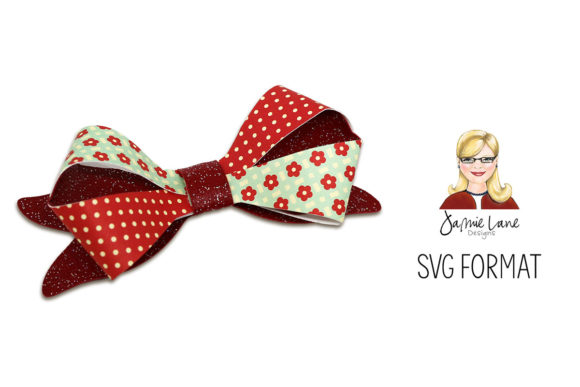
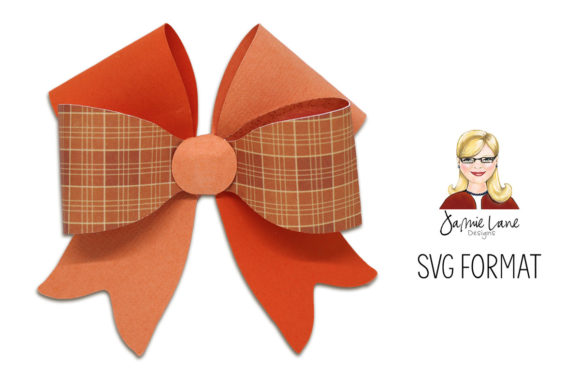
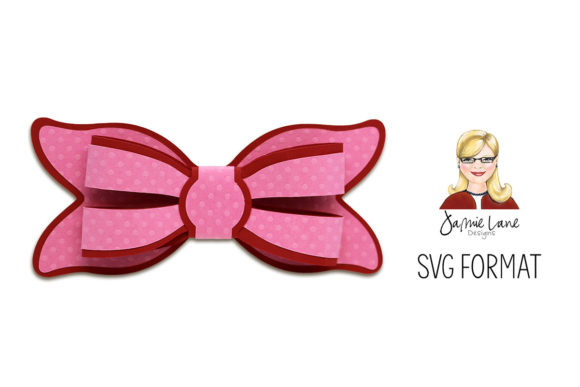
The immediate thing that strikes me about this design is its name. "Puckered" suggests texture, movement, and a softness that rigid vector lines often lack. In the world of 3D SVG assets, we are usually looking at cutting templates for paper or vinyl, but when adapting this aesthetic for thread, the potential is significant. The design features a layered structure that implies depth even before a single needle hits the fabric. It creates a mood that is both playful and refined, making it versatile enough for a high-end boutique label or a whimsical baby embroidery project.
The inclusion of two alternative centers is a thoughtful touch. In my experience, the center knot is often the make-or-break element of a bow design. If it is too bulky, it distorts the loops; if it is too thin, it looks anemic. Having options allows us to tailor the look to the specific thread colors and fabric texture we are working with. For a custom apparel piece, you might want a subtle, matching center, whereas a holiday embroidery gift might benefit from a contrasting pop of color in the middle.
Real-World Application: The Tote Bag Scenario
To truly evaluate Puckered Layered Bow-2 Centers, I imagined a specific client request: a set of personalized canvas tote bags for a bridal party. This is a common scenario for many Etsy sellers and craft business owners. Canvas is forgiving, but it can be tricky with dense designs. Here is how I see this design performing in that context.
The layered nature of the bow would work beautifully as an applique design element. Instead of trying to fill the entire shape with thread, which can lead to excessive stitch density and puckering on flexible fabrics, one could use the SVG template to cut a fabric bow and then use the embroidery file to tack it down with a neat satin or running stitch border. This approach reduces bulk while maintaining the 3D illusion the design promises. The "puckered" aesthetic naturally hides minor imperfections in alignment, which is a huge plus when producing items in batches for a small shop product line.
If stitching directly onto the fabric, the design's structure suggests it would hold up well on a sweatshirt embroidery project. The loops of the bow provide enough surface area for substantial fill stitches or wide satin columns, ensuring the design doesn't get lost in the fleece or French terry texture. However, placement is key. On a curved surface like a cap or a structured embroidered patch, the symmetry of the layers must be perfect, or the bow will look twisted.
Technical Considerations and Fabric Compatibility
While the visual appeal is strong, practical execution requires caution. Because this is described as a 3D SVG cutting template originally intended for crafts like card making or gift wrapping, translating it to a machine embroidery design requires careful adaptation. You cannot simply import an SVG into your embroidery software and expect magic. You must analyze the pathing.
For those using this on thin fabric or stretchy materials like jersey knits, the risk of distortion is real. The "puckered" look is stylistic, but unintentional gathering caused by heavy thread tension is not. I strongly advise testing the design on scrap fabric first. Pay close attention to the corners of the bow loops. Sharp angles in digital files often result in bird nests or skipped stitches if the machine cannot turn quickly enough. A skilled digitizer would ensure these corners utilize short, tight stitches or a mitered approach to maintain clarity.
Furthermore, consider the hoop size. Bows can be deceptively wide. Even if the design looks compact on screen, the outer loops might exceed the boundaries of a standard 4x4 hoop. Always check the dimensions before committing to a project, especially if you are working on narrow items like towel hems or collar tabs. For dark fabrics, ensure your underlay is sufficient to prevent the background from showing through the satin stitches, which can ruin the crispness of the layered effect.
Enhancing Brand Value and Customer Perception
In the competitive landscape of commercial embroidery and handmade goods, details build trust. A well-executed bow adds a level of sophistication that elevates a simple personalized gift into a keepsake. When a customer receives a finished product featuring Puckered Layered Bow-2 Centers, the texture invites touch. It signals that thought went into the design selection, not just the automation of the machine.
For digital product sellers offering mockups, this design offers excellent versatility. The clean lines and distinct layers make it easy to visualize in printable mockup scenarios, helping buyers imagine the final result on pillows, nursery decor, or kitchen towels. However, transparency is vital. If you are selling the stitched item, be clear about care instructions. Dense bow designs may require gentle washing to maintain their shape and prevent the threads from fraying over time.
Designer Notes for Successful Implementation
Before you launch this design into your next production run, keep these practical steps in mind:
- Stabilizer Selection: Match your stabilizer to the fabric weight. For heavy bows on light fabric, a cut-away stabilizer is often necessary to support the weight of the threads and prevent sagging.
- Contrast Testing: Create black and white mockups to verify that the layers distinguish themselves clearly without relying solely on color changes.
- Licensing Verification: Since the source material is an SVG cutting template, confirm the licensing terms before selling finished items or modified digital files. Not all SVG creators allow commercial embroidery use.
- Density Check: If digitizing this yourself, reduce fill density in overlapping areas to prevent the fabric from becoming stiff and unyielding.
- Thread Choice: High-sheen rayon or polyester threads work best to highlight the "puckered" texture, catching the light on the curves of the bow.
Ultimately, Puckered Layered Bow-2 Centers represents a bridge between digital crafting and textile art. It challenges us to think beyond flat applications and embrace dimension in our embroidery projects. Whether you are decorating a tote bag design for a local market or creating a unique wedding gift, this motif offers a charming, classic aesthetic that, when handled with technical precision, can significantly enhance the perceived value of your work. Just remember: the difference between a professional finish and a hobbyist mistake often lies in the preparation, the stabilizer, and the respect for the fabric you are stitching on.