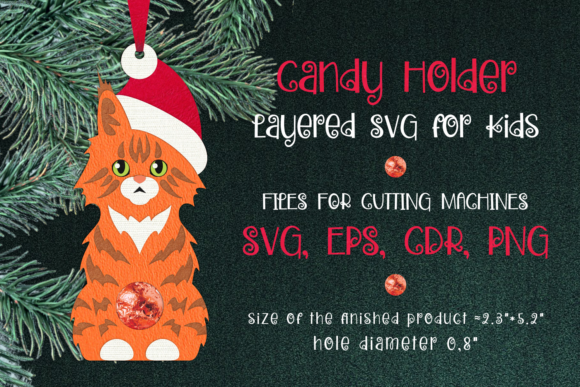
Review: Maine Coon Cat Christmas Ornament for Pros
As a designer who spends more time staring at stitch maps than most people spend watching television, I approach every new machine embroidery design with a healthy dose of skepticism. We have all been there: you download a file that looks crisp on the screen, only to find it turns into a bird's nest of thread once it hits the fabric. That is why I took a close look at the Maine Coon Cat Christmas Ornament before committing it to any client projects or holiday inventory. This isn't just about whether the cat looks cute; it is about whether this digital embroidery file can hold up under the pressure of a real-world embroidery project.
First Impressions and Visual Personality
The moment I loaded the files, the first thing that struck me was the specific character of the breed representation. Maine Coons are known for their tufted ears and majestic fluff, and capturing that in stitches requires a delicate balance. The design avoids the trap of being too cartoonish, which often alienates adult buyers looking for sophisticated holiday embroidery. Instead, it leans into a charming, slightly rustic aesthetic that feels very much at home in the current market trends for handmade goods.
The layout suggests a strong focal point, ideal for creating a finished product that draws the eye immediately. For those of us selling on platforms like Etsy or at local craft fairs, visual appeal is currency. This design has the kind of "stop-scroll" potential that drives engagement. However, as a reviewer, I have to look past the pretty picture. The true test lies in how these shapes translate when the needle starts moving.
Real-World Application: The Holiday Tote Test
To give this design a fair shake, I imagined a specific scenario that many of you face every December: a rush order for custom tote bag design packages for a boutique client. They wanted a set of reusable shopping bags for their holiday sale, featuring festive motifs that didn't look cheap. The Maine Coon Cat Christmas Ornament seemed like a perfect candidate for this.
In this context, the design shines because of its versatility. It works exceptionally well as a central motif on a canvas tote. The lines appear clean enough to maintain definition even on textured fabrics, which is often a pain point with detailed animal designs. If you are planning to use this for sweatshirt embroidery, the scale seems appropriate for a left-chest logo or a larger back print, provided you adjust your settings correctly. It also translates beautifully to smaller items like embroidered patches or kitchen towels, making it a flexible asset for a small shop product line.
Navigating Fabric and Stitch Challenges
Here is where we need to be honest about the technical side. While the preview images are enticing, the reality of stitching on different materials requires caution. Because this is marketed with 3D SVG elements in mind, there is an implication of layering or dimensionality. If you are adapting this for machine embroidery, pay close attention to the stitch density.
Dense areas, particularly around the cat's fur texture, can cause puckering if you are working on stretchy fabrics like jersey knits or thin baby clothes. For a baby embroidery project, I would strongly recommend testing on scrap fabric first and potentially using a heavier cut-away stabilizer to support the weight of the threads. Do not assume the default settings will work for every material.
Furthermore, consider the background. On dark fabrics, you must ensure the underlay is sufficient to prevent the fabric color from bleeding through the lighter thread colors. Conversely, on white or light fabrics, check that the satin stitches or fill areas are tight enough to avoid gaps. The design's performance on curved surfaces, such as caps, might require additional hooping techniques or a specialized cap frame to avoid distortion.
Commercial Viability and Brand Consistency
For the Etsy seller or the craft business owner, consistency is key. You cannot afford to send out a batch of products where half the ornaments look great and the other half have thread breaks or registration issues. The Maine Coon Cat Christmas Ornament appears to have a logical stitch sequence, which usually indicates a well-digitized file. However, always verify the hoop size requirements against your own machine capabilities.
Using this design can significantly boost the perceived value of your handmade product. A well-executed embroidered item feels premium, and customers are willing to pay more for that tactile quality. Whether you are creating a personalized gift for a cat lover or building a collection of custom apparel, this design adds a touch of personality that mass-produced prints cannot match. It helps build brand recognition; if your customers associate your shop with high-quality, whimsical holiday items, they will return year after year.
Essential Designer Notes Before You Stitch
Before you commit to a full production run, here is my practical checklist for integrating this design into your workflow:
- Test on Scraps: Never skip this step. Stitch the design on the exact fabric you plan to sell to check for puckering or pull.
- Check Contrast: Review how the design looks in black and white mockups to ensure the details stand out without relying solely on color.
- Verify Licensing: The product description mentions it is a DIGITAL PRODUCT for cutting machines, but if you are converting it or using an embroidery version, confirm the license terms for commercial use. Can you sell the finished physical items? Can you resell the digital file? Always clarify this to protect your business.
- Stabilizer Selection: Match your stabilizer to the fabric weight. Heavy designs need strong support.
- Thread Quality: Use high-quality threads to prevent breakage, especially in dense fill areas.
- File Compatibility: Ensure you have the correct software to handle the layers if you are using the SVG for cutting, or the correct embroidery format for your specific machine model.
In conclusion, the Maine Coon Cat Christmas Ornament offers a delightful blend of charm and utility. It fits naturally into the holiday season without feeling cliché. With proper preparation and attention to technical details like fabric texture and stitch density, it can be a standout addition to your catalog of design assets. It is a reminder that great designs are only half the battle; the other half is the skill and care we put into bringing them to life.