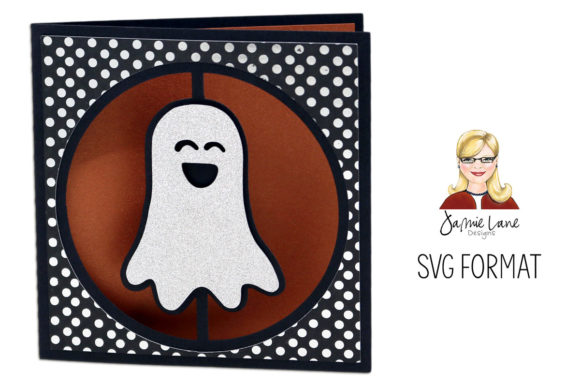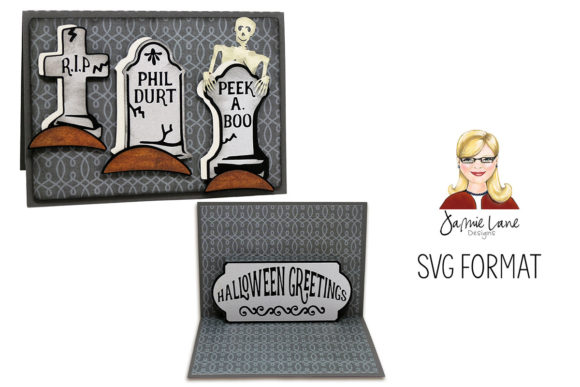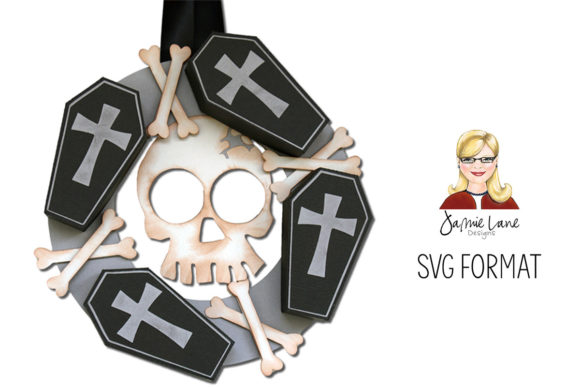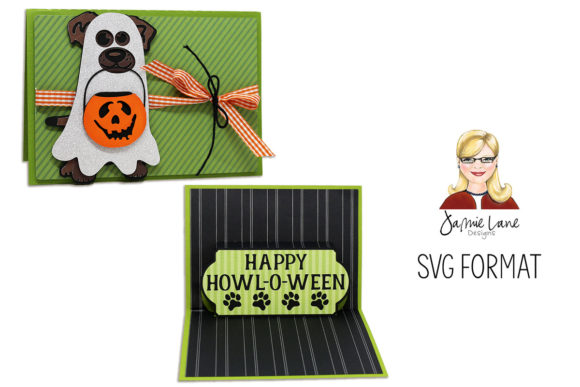
A2 Pop-Up Card Brains: 3D SVG for Halloween
As a digital publisher who has spent years curating visual assets for high-traffic blogs and editorial sites, I approach every new graphic design asset with a critical eye. It is not enough for a file to be cute; it must perform. When I first opened the files for A2 Pop-Up Card Brains, my immediate reaction was one of appreciation for its structural ingenuity. This is not just a flat illustration; it is a layered creative design that brings depth to the screen. The aesthetic strikes a perfect balance between playful and slightly macabre, making it an ideal fit for seasonal content that needs to stand out without looking amateurish. For publishers operating in the lifestyle, DIY, or education niches, this asset offers a unique opportunity to elevate editorial design during the autumn months.
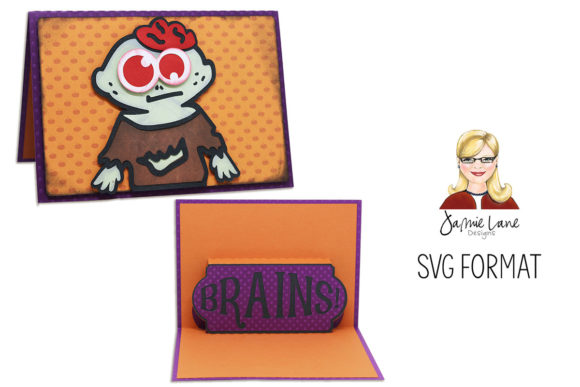
The core appeal of this digital download lies in its versatility. While the original concept is a physical card measuring approximately 4.25 by 5.5 inches with an intricate interior mechanism, the value for a web publisher comes from the isolated elements within the 3D SVG package. The files include the card base, the specific paper elements, and the internal mats. In a real-world publishing workflow, I do not simply upload the raw file. Instead, I deconstruct these layers to build custom blog graphics. Imagine using the pop-up brain element as a hero image for a post about cognitive health, creativity, or even a spooky recipe round-up. The dimensional quality of the design creates an instant visual hierarchy, drawing the reader's eye before they even read the headline.
Elevating Editorial Quality and Reader Trust
In the crowded landscape of content marketing, first impressions are everything. A generic stock photo often signals low effort, whereas a custom-composed graphic using a premium asset like A2 Pop-Up Card Brains signals authority and attention to detail. When I integrate this Halloween-themed asset into a website header or a category thumbnail, it reinforces brand identity. It tells the audience that the publisher cares about aesthetics. This level of polish directly correlates to reader trust. If a site looks professional and visually cohesive, visitors are more likely to stay longer, click through to affiliate links, or subscribe to a newsletter.
The mood created by this asset is distinctly seasonal yet modern. It avoids the cheesy, over-saturated orange and black clichés often found in October marketing. Instead, it offers a textured, paper-craft feel that resonates with the current trend toward tactile, handmade visuals in web design. This makes it particularly effective for niches like parenting, education, and crafting, where the audience appreciates the "made-by-hand" vibe. By using this design asset, you can create a cohesive visual narrative across your platform, from your homepage banner down to your smallest social media preview.
Strategic Applications for Publishers and Marketers
The true power of A2 Pop-Up Card Brains emerges when you apply it across various touchpoints in your content ecosystem. Here is how I would deploy this asset in a live publishing environment:
- Pinterest Pins: The vertical nature of the original card design translates perfectly to Pinterest. By placing the pop-up element against a solid color background with bold typography, you can create high-click-through pins for seasonal round-ups or DIY tutorials.
- Digital Guides and Lead Magnets: Use the graphical elements as chapter dividers or cover art for downloadable PDFs. A "Spooky Season Planning Guide" or a "Creative Brainstorming Workbook" would benefit immensely from this thematic imagery.
- Newsletter Graphics: Break up text-heavy emails with the brain pop-up as a section divider. It adds visual interest and keeps subscribers engaged as they scroll through your latest updates.
- Social Media Graphics: Isolate the brain element for Instagram stories or Facebook posts. It works well as a backdrop for quotes or announcement text, providing a textured look that stands out in the feed.
- eBook Covers: For authors or educators releasing short digital products in October, this asset provides a ready-made focal point that looks professional and thematic.
Furthermore, for affiliate marketers, using unique visuals can differentiate your product reviews from the hundreds of other sites promoting the same items. If you are reviewing crafting tools or educational games, incorporating A2 Pop-Up Card Brains into your featured images can increase the perceived value of your recommendation.
Optimizing for Performance and Usability
While the artistic merit is high, a publisher must also consider technical performance. SVG files are excellent for web design because they scale without losing quality, but they must be optimized. Before uploading any derivative images to your CMS, ensure you have compressed them properly to maintain fast load times. A slow site kills engagement, regardless of how beautiful the graphics are. Test the asset on both desktop and mobile screens. What looks majestic on a 27-inch monitor might become a muddy blob on a smartphone if the details are too fine. Always preview your website header or blog thumbnail on a mobile device to ensure the pop-up details remain distinct.
Typography pairing is another crucial consideration. This asset pairs beautifully with serif fonts for an editorial, magazine-like feel, or with handwritten fonts to emphasize the craft aspect. However, avoid pairing it with overly decorative display fonts that might compete with the intricate details of the pop-up design. Ensure there is sufficient contrast between the graphic and your text. If the background of the asset is busy, place your text in a solid overlay box to maintain readability.
Cautions and Best Practices
Despite its versatility, A2 Pop-Up Card Brains is not a one-size-fits-all solution. There are scenarios where it should be used carefully or avoided entirely. For instance, in serious professional niches like finance, law, or corporate B2B services, a whimsical pop-up brain might undermine the gravity of the content. Similarly, avoid using it on low-contrast backgrounds where the paper textures might get lost. It is also less effective for very small mobile thumbnails where the "pop-up" depth cannot be appreciated; in those cases, a simplified icon version might be better.
Finally, always verify the licensing terms. As a commercial design asset, it is essential to confirm that your intended use—whether for a monetized blog, a paid Canva template, or a client project—is covered under the commercial license. Respecting intellectual property is fundamental to maintaining a reputable publishing business. When used correctly, within the bounds of its license and design intent, A2 Pop-Up Card Brains is a powerful tool for enhancing small business branding and creating memorable, clickable content that resonates with audiences during the Halloween season and beyond.